What’s Kawaii Fashion Mean to You?
Adj. Japanese meaning “pretty; cute; lovely; charming; dear; darling”
Stems from two kanji meaning “can” and “love”.
Everyone, whether they admit it or not, loves cute things; babies, clothes, animals, whatever. There is always something that will make us want to shriek “kawaii!” I guess that’s why Kawaii is such a universal thing, no matter what part of the world you’re in, no matter what language you speak, everyone loves kawaii things and we can relate to each other with our love of cuteness.
There are some places that go into extremes when it comes to cute. Japan seems to be a nation absolutely obsessed with the concept of “kawaii”. From jets to household appliances to clothing, even the government gets in on the cute craze as each prefecture has its own kawaii mascot. There are hundreds of studies on the Japanese obsession with cute, which most believe to be rooted in Japans harmony loving culture. Nobuyoshi Kurita, a sociology professor at Musashi University in Tokyo, states that “kawaii” is a “magic term” that encompasses everything that’s acceptable and desirable in Japan. Kawaii is young, innocent, pretty, harmless, happy. It’s everything Japan strives for, so of course it makes sense that cute would become a significant part of their modern culture.
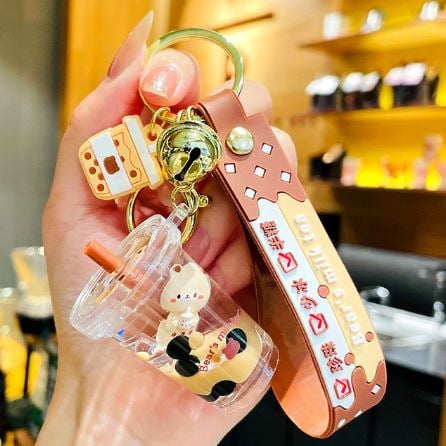
And the love of cute isn’t just for children or teenagers! Adults, male and female, of all ages love kawaii things. It’s a normal sight to see men and women alike carrying keitai (cellphone) weighted down with straps of cute anime or other characters and bento boxes with adorable creatures and bright colors to work. Head down to Harajuku on the weekend and you can see an array of colorful Japanese decked out in cute – and often crazy- kigurumi (character costumers, usually animal) and other meccha kawaii fashion.
Though the styles have changed over the years, kawaii fashion is extremely prominent in Japan today. There are many types of subcultures in the world of cute fashion; stop be Harajuku, Ginza, Odaiba, Shinjuku or Shibuya and you’ll be amazed at how different fashions are in each area.
Lolita
One of the most popular forms of kawaii fashion, especially among otaku and princess girls, it contains many different styles and themes and is probably one of the most recognizable Japanese styles world wide. The more well-known styles within Lolita fashion are as follows: - is Lolita with a heavy influence from the Eastern and Victorian Goth style. Often characterized by dark colors, crosses, bats and spiders, as well as other popular gothic ‘icons’. Victorian iron gates and architectural designs are also often seen in dress prints. Skirts are usually worn knee length with petticoats beneath for volume. Blouses or shirts are lace-trimmed or ruffled in the Victorian style. Knee length socks with boots, bonnets, brooches, and a parasol finish out this style of Lolita.
- Gothic Lolita – Lolita with a heavy influence from the Eastern and Victorian Goth style. Often characterized by dark colors, crosses, bats and spiders, as well as other popular gothic ‘icons’. Victorian iron gates and architectural designs are also often seen in dress prints. Skirts are usually worn knee length with petticoats beneath for volume. Blouses or shirts are lace-trimmed or ruffled in the Victorian style. Knee length socks with boots, bonnets, brooches, and a parasol finish out this style of Lolita.
- Sweet Lolita – is the most childlike style, mostly characterized by baby animals, fairy tale themes and innocent, childlike attire. It is inspired by baby dolls and Hello Kitty, and is popular among the SweetLolis. Pastel colors are used, as well as other muted colors like black and dark reds and blues. Large headbows, cute purses, elegant parasols and stuffed animals are popular accessories for Sweet Lolita.
- Punk Lolita – An experimental style, mixing the influences of Punk with Lolita. It can sometimes look deconstructed or crazy, while keeping most of the ‘Lolita silhouette’.
- Classic Lolita is very traditional. It is very mature, and business-like and focuses on light colors such as, blue, green, and red.
Ganguro
The Ganguro street fashion became popular among Japanese girls in the early 2000s. A typical look for a “Ganguro Gal” is to wear brightly colored outfits, mini-skirts, and tie-dyed sarongs. The Ganguro style consists of bleached hair, a dark tan, fake eyelashes, black and white eyeliner, bracelets, earrings, rings, necklaces and platform shoes.
Kogal
The kogal (kogyaru) look is based on a high school uniform, but with a shorter skirt, loose socks and often other modifications as well. The girls call themselves gyaru (gals). This style was prominent in the 1990s, but has since declined.
Bōsōzoku
While bōsōzoku fashion has not been popular since the 1990s, the stereotypical bōsōzoku look is often portrayed, and even caricatured, in many forms of Japanese media such as anime, manga and films. The typical bōsōzoku member is often depicted in a uniform consisting of a jumpsuit like those worn by manual laborers or a tokko-fuku (特攻服), a type of military issued over-coat with kanji slogans. These are usually worn open, with no shirt underneath, showing off bandaged torsos and matching baggy pants tucked inside tall boots. It’s the “yanki” style.

Visual Kei
The style of Visual Kei consists of striking makeup, unusual hair styles and flamboyant costuming. Androgyny is a popular aspect of the style visually, especially within the entertainment field. Some of the more well-known and influential artist groups include X Japan, Malice Mizer and Dir En Grey.
Cosplay
Cosplay, short for “costume roleplay”, is a type of performance art whose participants outfit themselves with often elaborate costumes and accessories as a specific character or idea. Often, the fashionistas of this street fashion will dress up as characters from manga, anime, tokusatsu, and video games. Less commonly, they will dress up as characters from live action television shows, fantasy movies, and Japanese pop music bands.
Japans cute style has definitely affected the world, especially places like China, South Korea, Hong Kong, Singapore and Taiwan. It’s also managed to cross the oceans, thanks to the ever growing popularity of anime in the west, so even places such as England and the US are catching onto the kawaii trend. Over the years here in America I have seen Japanese inspired products become more and more popular, everything from Hello Kitty toasters to Gwen Stefani’s Harajuku Lovers line, even Japanese snacks such as Pocky and Ramune have become a hit. There’s no stopping it!
So what does Kawaii mean to you? Do you love the cute clothes, or perhaps you’re an anime fan? For me, I absolutely love cute plushies, figures, and looking at fashion magazines!